

Developing Audio Narratives: Building Skills for Accessible Literary Production
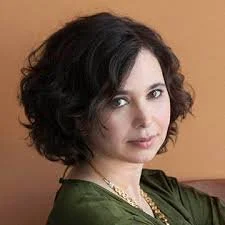
Photo of Anjali Sachdeva
Anjali Sachdeva, MFA
Creative Writing
Project Overview
My original goal was to learn to use audio editing software, as well as handheld digital recorders purchased by the MFA in Creative Writing program, to learn how to produce audio content. The second part of my project was to use these skills to create audio materials for the student literary magazines (with student involvement) and create a class on audio narratives. This class would teach students basic audio recording and editing skills and best practices, but would also focus on writing for audio and how this is different from writing for print media. (Chatham already has a podcasting class, so I want to make sure to offer something that does not overlap too heavily with that class. Some of the technical skills will be the same, but my proposed class will have more of a writing focus.)
Planning Process
For the most part, I think the worksheets didn’t apply to what I was doing this year as I ended up spending my time on skill-building in advance of designing a new course. In other words, I didn’t know enough at the start of the year to know what I needed to build into the course! Now that I have some basic technical knowledge, and have done additional reading on writing for audio narratives, universal design, and using audio for accessibility, I have a better idea of where to start in the fall, and the integration models, course learning objectives, etc. will be relevant to me then.
Implementation
My goals were these:
1. Learn to use the TASCAM portable digital recorders that the MFA in Creative Writing program purchased at the end of the 2024-2025 school year as a way to facilitate student production of audio materials. These recorders offer flexibility in that they are able to produce relatively high-quality audio recordings in a stable, indoor setting (not equivalent to those from Chatham’s full podcasting studio but easy to set up and relatively good) but can also be used for on-the-go recording, e.g. interviews or oral history projects conducted off-campus. Some MFA students have expressed an interest in doing immersion reporting or other interview-based projects, and while it is possible to do this with written notes alone or with low-quality sound recording that serves purely record-keeping purposes, using these high-quality recorders leaves the option of creating an audio piece. In my Literature of Social Engagement class we listened to one piece created from a series of phone recordings that fit this model (and also read a book by the same author on the same subject), and discussed the benefits of being able to produce work on the same topic in multiple modes. The recorders offer both stereo recording and monoaural recording, and I learned about using these capabilities and which recording environments each one is suited for.
2. Learn to use Audacity and Adobe Audition software. I was interested in using both of these programs because Audacity is free and widely used, and is therefore more likely to be accessible to students after graduation, but Audition is industry-standard sound-editing software, and used in professional circles (and therefore, using it is a relevant professional skill for students seeking to work in audio-related jobs).
3. Help students create audio versions of both The Minor Bird and The Fourth River, Chatham’s student-run literary magazines (undergraduate and graduate, respectively). Doing so will not only give undergraduate and graduate students an opportunity to learn audio recording and editing skills, but will also create versions of the literary magazines that are more accessible to people with vision impairment and reading disabilities. Many other potential readers simply enjoy an audio format and will be glad to have this option.
4. Design a class in Audio Narratives that combines basic audio recording and editing skills with a focus on writing for audio, to be offered in Spring 2027. This class will be a 400/500 level class, available to both undergraduate and graduate students. I believe this double designation will be useful because few students (whether grad or undergrad) have experience in audio production or writing for audio, so all students will be starting at approximately the same experience level.
Students will begin by learning to use audio equipment to record spoken versions of pre-existing short literary works (e.g. poems, flash fiction, micro essays), and will then edit these recordings to remove any speaking mistakes, add intro/outro music and, if desired, incorporate sound effects. This will give them basic skills in both recording and editing and can be directly applied to recording pieces for the literary magazines (students from the Audio Narratives class will be paired with student staff from the literary magazines to accomplish this goal). The class will also ask students to listen to a variety of audio pieces to familiarize themselves with the field, including audio collages, long-form narrative pieces in both fiction and nonfiction, and interview-based pieces. The course will teach students to identify strategies in audio writing that differ from those used in writing for print, and that make the best use of the audio medium. It will also help students practice the art of creating narratives through selective editing of source recordings. As their final project, students will write their own, original audio narratives; create fully-edited recordings of these narratives; and write a short critical paper in which they discuss how they applied best practices for audio narrative in creating their work. In addition, the course will include a until on increasing accessibility of literary works through audio production, which will cover best practices for making audio works accessible.
Backup plan: My backup plan is to focus on learning solely Audacity editing (both because it is free and because Audition is more complicated), and to postpone the debut of the Audio Narratives class to Spring 2028 if I feel that I have not learned enough to offer the class in time for Spring 2027. I do want to offer the class during a Spring semester because that is when The Minor Bird publishes its annual issue, and Minor Bird editors will not have pieces available to record in the fall.
Assessment
As this first year of the project involved primarily personal learning on my part, I used informal assessment. Though I admit this is a rather basic approach, my assessment has basically been to say, “Can I now make and edit audio recordings?” The answer is a qualified yes; I can, but I don’t yet feel confident in teaching those skills to others, and I would like to expand my abilities to tackle more complicated projects.
I do feel I succeeded in teaching students about using technology to create accessibility in publishing, including audio accessibility, in my Literary Publishing Class. I assessed this using in-class discussions (are students able to independently explain the material from the readings and explain how it might apply in other circumstances? Yes.) and via a quiz on accessibility readings given in class.
When I achieve my long-term goal of designing and teaching an Audio Narratives class I will put in place more formal assessments. In addition, students’ production of their final projects will serve as an assessment whether they have learned audio narrative writing, recording, and editing skills.
Reflections and Next Steps
What worked: I was able to learn basic audio editing and recording skills, and to think creatively about how I can apply these skills for student learning. I also learned more about universal design and accessibility, including some information about how to design audio materials to best serve people with disabilities. I was able to engage in conversations with students in my Literary Publishing class about increasing accessibility in publishing. We considered how technologies that increase accessibility for some groups might also decrease it for other groups (e.g. ebooks increase accessibility for vision-impaired people by making large-print and screen-reader options readily available, but the initial purchase of an e-reader may pose a financial hurdle for some readers that is higher than the cost of a print book). We also discussed how we might apply accessibility goals to our on-campus publications.
What didn’t/project modifications: My biggest challenge this year was time. In retrospect, it was a little unrealistic of me to think I was going to get an entire new class designed, while also learning the technical skills needed to teach it, in the same year I was applying for tenure. Also, I must admit that learning the software was more challenging than I had anticipated! I was evidently not the only one having this kind of year, as the editors of both the undergraduate and graduate literary magazines had to postpone the launch of their spring issues, which were the issues where I would have helped them do audio recordings of some of the featured work. Therefore, we will pick up together in the fall to create the audio recordings for these issues, and I hope to have time over the summer to keep building my skills with Audacity.
My goals for next year are to put more time into practicing my audio editing skills so that I feel confident teaching these skills to students, to continue learning about writing for audio, and to create a detailed syllabus for Audio Narratives so that it can be taught in Spring 2028 as a Special Topics course.
This has been an edifying project, one that I’m still excited about and look forward to working on next year!